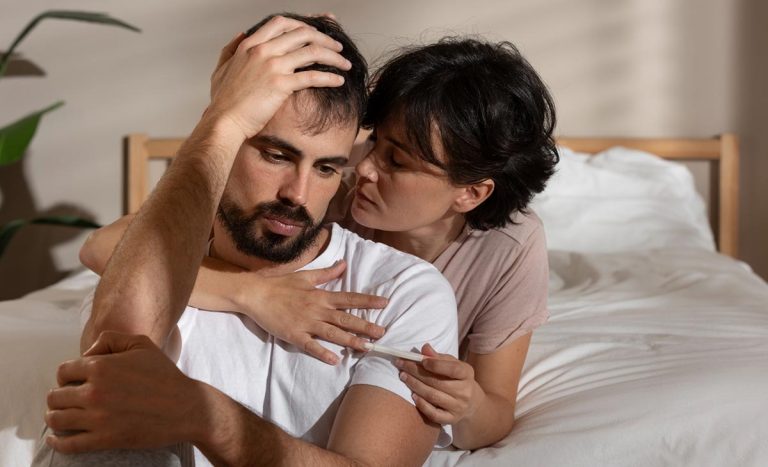
We live in an accelerated era, where rushing and feeling overwhelmed seems almost normal. Many people live with high levels of stress without realizing it, as if it were an inevitable part of modern life. But stress not only affects physical or emotional health: it also has a direct impact on sexuality and the way we experience intimacy.
How does stress affect sexual desire?
When we feel stressed, the body activates to face the threat: it releases cortisol and adrenaline, hormones that prepare the organism to react. In the short term this can be useful, but when this response is prolonged over time it becomes a problem.
The body prioritizes survival over pleasure, and this can translate into a drop in sexual desire, difficulty getting aroused, or trouble concentrating during sex. If stress persists, it may lead to more specific problems: erectile dysfunction, anorgasmia, vaginal dryness, or pain during intercourse.
Anxiety, psychological rigidity and avoidance
Stress and anxiety have much in common. When we live in constant tension, it is difficult to connect with the present and we get trapped by negative thoughts or worries. This is called cognitive fusion: thoughts take so much space that they become our reality.
In sexuality, this can mean worrying more about “how I will perform” than about enjoying the experience. Avoidance is also common: some people withdraw from intimacy for fear of not meeting expectations or of being judged. This vicious cycle feeds anxiety even more and makes it harder to recover pleasure.
Social pressure and sexual demands as added stress
To daily stress we must add another layer: social pressure. Unrealistic models and pornography create impossible expectations: always available, constantly desiring, with flawless performance.
This pressure generates what is known as performance anxiety, which is itself a form of stress that blocks desire and turns intimacy into an exam instead of a space for enjoyment and connection.
The need to put sexuality in context
Many people live with such high and sustained stress that they no longer perceive it as a problem. This normalization hides the connection with sexuality, just as it does with sleep, nutrition, or emotional health. But the body notices, and loss of desire or sexual difficulties may be a warning sign.
Sex is not an isolated part of life. Work stress, financial worries or family responsibilities directly influence our intimate life. Understanding this helps us avoid blaming ourselves individually (“I have low libido”) and instead see sexuality as a reflection of our overall state.
Strategies for self-care and sexual recovery
The good news is that there are ways to reduce the impact of stress and protect sexual life:
Take care of the body: get enough sleep, exercise regularly, and maintain a balanced diet.
Manage stress: practice relaxation, breathing techniques, or mindfulness to reduce activation.
Psychological flexibility: learn to live with thoughts and emotions without letting them control behavior, stay present, and reconnect with personal values.
Communicate with your partner: sharing how stress affects you reduces pressure and fosters intimacy.
Redefine sexuality: shift the focus away from performance and expand it to include touch, affection, kisses, and closeness.
Seek professional help: if the situation persists and interferes with wellbeing, Therapy with a sexologist is a valuable resource.
Conclusions
Stress and sexuality are deeply connected. When stress takes over our lives, it also takes away part of our desire and pleasure. To take care of sexual life, we also need to take care of everyday life: reduce pressure, listen to the body, and allow space for self-care.
Sexuality should not be another source of stress, but a space for connection and wellbeing. Recovering it means understanding that body, mind, and intimacy are part of the same system, and that when we take care of one, we also take care of the others.