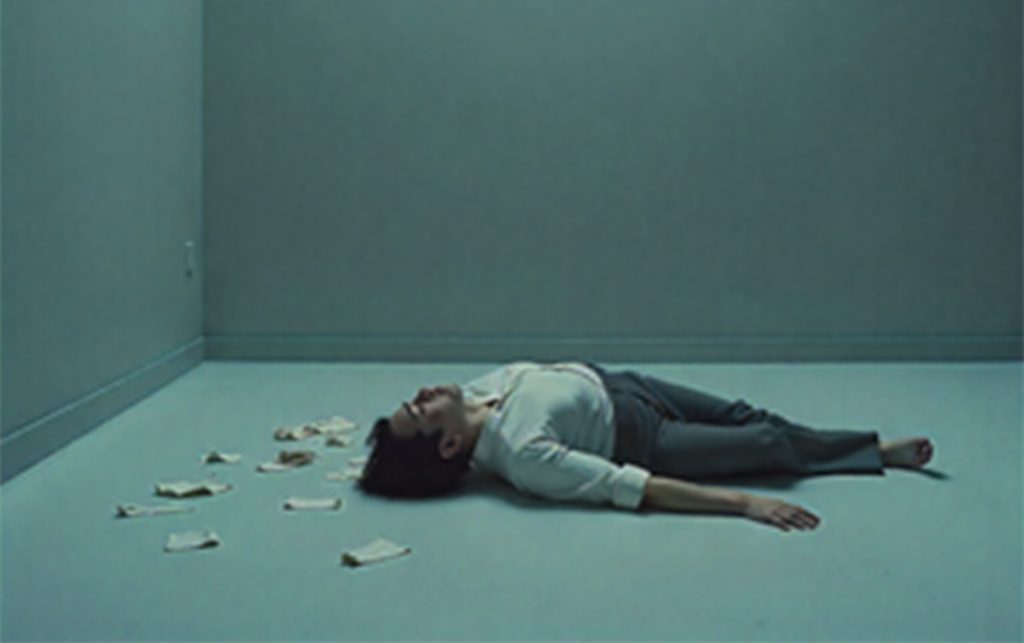
They are moments when you find yourself stuck in a spiral. It can happen when you have many tasks to do, or when you have a disagreement with a friend, partner, or family member. It can also happen when your thoughts become very intense and you feel overwhelmed. It’s a type of blockage that weighs you down and makes it hard to clearly see the way forward.
This can end up with you not doing the tasks, avoiding a conflict, or bottling it up and later exploding with the people you love most, because of the intensity of your emotions. The hard part is being able to see the exits, understanding what each one implies, and choosing the one that is healthiest and most adaptive in that moment.
Now stop visualising what I just described and remember this phrase: “baby steps.”
For example, imagine you have an endless to-do list.
Let’s be honest: sometimes it feels like the list is going to swallow you whole.
Without further ado, go to that list (and if you don’t have it, write it down). It’s very important to determine the order of priority. Let’s say there are five priority tasks:
Do the groceries.
Send some work documents.
Do a load of laundry.
Fix the kitchen faucet.
Reply to two messages from friends.
Now: you don’t have to do all five tasks. You can refine the priorities even more. For example:
Do the groceries → “Well, I have leftovers from last night. I can go tomorrow; I’ve got a gap after training.” → TOMORROW
Send the documents → “Oh damn, my boss said they’re needed for tomorrow’s presentation. Someone else will do it if I don’t send them.” → TODAY
Do the laundry → “It’d be good to have clean underwear for tomorrow…” → TODAY
Fix the faucet → “I’ll probably break it because I have no idea. Well, my uncle’s friend is a plumber; this one can hold out for now.” → ANOTHER DAY
Reply to messages → “Ugh, I forgot to reply yesterday. It’s fine: I think a little 8 p.m. reminder would be perfect. I’ll message my uncle’s friend then too.” → TODAY AT 8 p.m.
Throughout all of this, keep in mind that unexpected things can come up — and that’s okay. The list can be reorganised. It can be as flexible and adaptable as we need it to be, because we repeat and remember: “baby steps.” And not just the list. “Roundabouts” are managed with micro-decisions; with those “baby steps.” Small steps, but very important ones.
It’s also worth mentioning that these are not all the experiences of a person with ADHD — this is just one example. Sometimes living inside their mind can be complicated, just like it is for everyone, neurodivergent or not. So, in those moments of “panic,” the narrative matters. It’s not the same to hear in your inner radio, “Here you go again,” as it is to hear, “Weeell, look who’s back, your imperial majesty.” It’s okay: we receive, we review, and we reorganise. If you can pair that last line with a little laugh, even better. Sounds different, right? Something to reflect on.
María Lomas Servera Psicóloga General Sanitaria (en prácticas)