
Table of Contents
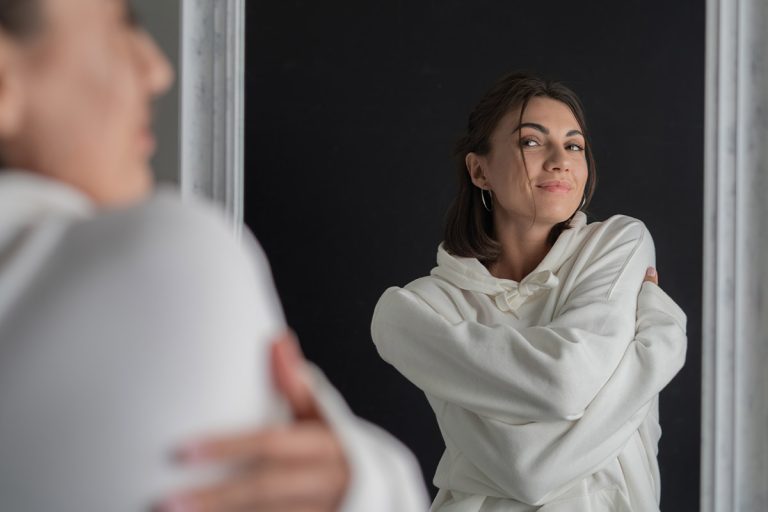
The way a person perceives their body has a profound impact on their emotional well-being. Body image is not limited to physical appearance; it also includes the thoughts, feelings, and beliefs we develop about ourselves. When this perception is positive, it often leads to greater confidence, self-assurance, and self-esteem. However, when it becomes negative, it can affect mental health, personal relationships, and overall quality of life.
Today, social pressure surrounding physical appearance is stronger than ever. Social media, advertising, and certain beauty standards encourage constant comparisons and create unrealistic expectations. Many people feel they need to look a certain way to be accepted, admired, or valued, leading to insecurity and an unhealthy relationship with their own bodies.
Although this issue is often associated with teenagers and young adults, the reality is that it can affect people of all ages. Adults, children, and older adults can also experience body dissatisfaction or low self-esteem related to their appearance.
How Body Image Affects Our Self-Esteem
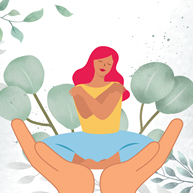
Self-esteem is closely connected to the way we see and treat ourselves. When someone feels dissatisfied with or rejects their body, negative thoughts, insecurity, and a constant need for external validation often arise. Sometimes, seemingly small comments about weight, appearance, or physical features can remain with a person for years, undermining their self-confidence.
Many people end up judging their worth solely based on their physical appearance, forgetting that their identity goes far beyond how they look. The problem arises when appearance becomes the foundation of self-esteem, making any physical change a source of anxiety, frustration, or feelings of failure.
Constant comparison can also increase emotional distress. Seeing seemingly perfect images online often makes people feel that they are never good enough. However, many of these images are edited, filtered, or present only an unrealistic version of everyday life.
Signs of a Negative Relationship with Body Image
There are several signs that may indicate someone is developing a negative perception of themselves. These include a constant preoccupation with appearance, an excessive fear of criticism, the need to compare oneself continuously with others, or feelings of rejection toward one’s own body.
Significant emotional changes may also appear, such as anxiety, sadness, social withdrawal, or extreme insecurity. In some cases, these concerns may even influence eating habits, physical activity, or the way a person relates to others.
Recognizing these signs early is important to prevent emotional distress from worsening and affecting other areas of life.
What Can We Do to Help?
One of the most effective ways to help is by encouraging healthier conversations about the body and self-esteem. Often, without realizing it, we reinforce the idea that a person’s worth depends on their physical appearance. Comments about weight, diets, or comparisons may seem harmless, but they can have a significant emotional impact.
It is important to teach that a body does not need to be perfect to be worthy. Health and well-being do not have a single appearance, and everyone experiences natural physical changes throughout life.
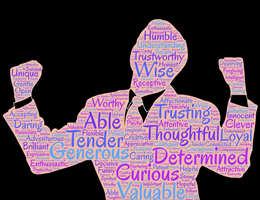
It is also essential to foster self-esteem based on deeper qualities, such as personality, values, skills, empathy, creativity, and the way we connect with others. Self-care is another important way to strengthen self-esteem. When people learn to recognize and value themselves beyond their physical appearance, they develop a much healthier relationship with themselves.
Another key aspect is learning to use social media critically. Understanding that many online images are edited or portray unrealistic standards can help reduce comparison and the pressure to fit in.
Listening without judgment also makes a significant difference. Many people need safe spaces where they can express their insecurities without feeling ridiculed or dismissed. At the Institute of Psychology we provide that space to help you begin your healing journey and support you every step of the way.

About the author
Arancha Lorente Galiano
General Health Psychologist · Registered B-03674
Arancha Lorente Galiano is a general health psychologist at Instituto Psicología-Sexología Mallorca. She supports adults with emotional regulation, anxiety, depression, self-esteem, stress and social skills.